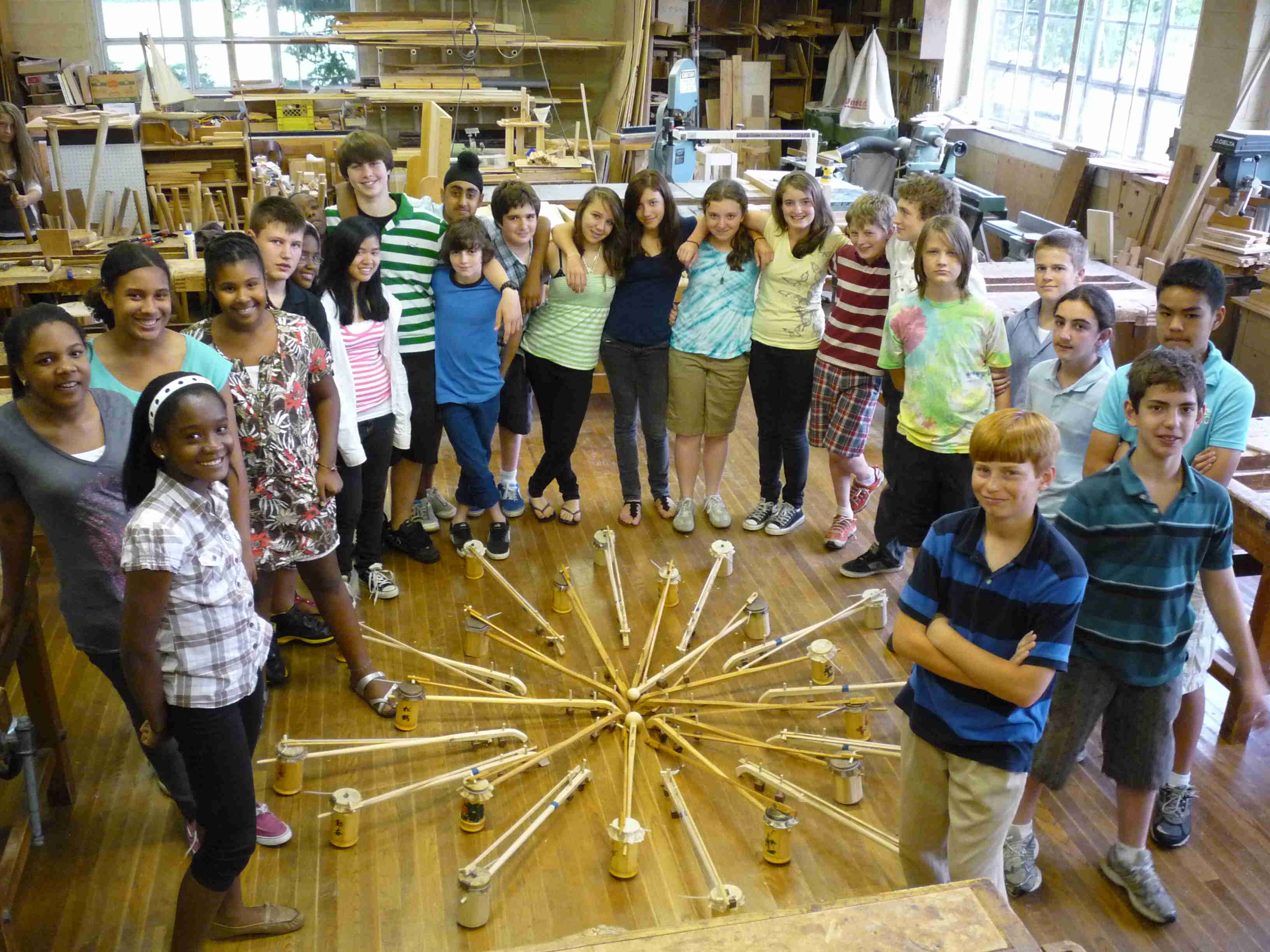
LOS ALTOS, Calif. — The chief technology officer of eBay sends his children to a nine-classroom school here. So do employees of Silicon Valley giants like Google, Apple, Yahoo and Hewlett-Packard.
Thursday, September 19, 2013
At Waldorf School in Silicon Valley, Technology Can Wait
LOS ALTOS, Calif. — The chief technology officer of eBay sends his children to a nine-classroom school here. So do employees of Silicon Valley giants like Google, Apple, Yahoo and Hewlett-Packard.
Tuesday, March 5, 2013
Speech and Drama Class Day3
Activity number ONE (revision)
Drop yourself down with a big vocal Sigh~!
Lift your spine one by one and head is the last thing to lift (3 times with bigger and bigger sigh)
Revision of catch sound from air pass it through my body and throw into the big circle we formed
“Harmph”
”Harmph Hymph”
”Harmph Hymph Haymph”
”Harmph Hymph Haymph Hormph”
”Hamph Hymph Haymph Hormph Huuumph”
”Gerh”
”Gerh Kerh”
”Gerh Kerh LLLL”
”Gerh Kerh LLL mmm”
”Gerh Kerh LLL mmm fff”
Gerh Kerh LLL mmm fff ssss”
Activity number TWO
Look across the room, find your destination
Pronounce “JErh Jerh JErh…” while marching across the room
(Because we 47 or us standing in a huge circle so imagine everyone pushing themselves through in the middle congested while JERH’ing’ and stomping)
Activity number THREEForm yourselves a group with at least 2 person and above…

She close her eyes and start counting… we simply grab anyone from beside in panic situation.. haha
She need 16 groups
Each group will just have to deconstruct the word under their group number..
Group one is the word “VVVaaasssssT!”
So they have to explore every alphabet sound in that word and create an artistic gesture
(10 minutes discussing and practicing)
She rearrange the circle in group order…
Like reading a poem one group flow straight after another .. but do wait until others finish their sound in silent then continue…
(Everyone deconstruct the words until we barely recognise the word itself)
Some like dancing fairy.. some like transformer… really interesting and the pronunciation is so precisely clear…
Now make it sound more like a word but still take your time and others time yet let it flow like the poem…
HOMEWORK: memorize this for next lesson.. go around with big gesture.
Closing activity 5 minutes
”Back to the big circle”
Instructor gave a conclusion of this lesson…
”Everyone imagine there’s a big golden hoop in front of us.. we bend down and pick it up together.. step back and toss it into the air”
And everyone silently follow the instructor.. everyone hold the imaginary hoop together very slowly
Hold it up high then put one of our foot back, swing our arms back slowly.. and toss the hoop into the air… watch it float away in the air…
Then she close her eyes holding her hands on her chest for few second…
Then she smile and say thank you to the class…. Everyone thank her back and gave her an applause…. It was a lovely lesson…
Eurythmy Class Day3
Activity number ONE (Revision Expansion of self-space)
Stand in circle…
Follow the verse she said and move in and out of the circle.. forward and backward
Like spreading wings.. imagine a little wings behind us growing
Follow the movement breath in and out.
”Look at the Earth (out)… down to the dust of white sand(in)… Up to the heaven above(out)… Like a blooming flowers(in)…
Behold the eternity (out)… right in the hands of ours (in)…”
She said feel the words as we move… or else it will be just deadly walking in and out…
Does your breathing changes with the movement??
Activity number TWO (Occulta Philosophia drawings posture)
Open our arms to the horizontal plane…
Lift our right leg a little and place slightly apart while our hands move slightly up to the height of our head / ear
Lift our left leg a little and place slightly apart again with our hands move slightly down to lower rip cage height.. let our heart be at the center of the triangle between 2 points tip of our hands and head…
Lift our right leg a little and place more apart with our hands above the height or our head form like a star…
Then close our left leg in with both our arms close slowly down
Activity number THREE (Putting awareness of our steps)
Stand feet together and lean slightly forward feeling a golden thread connect through our heads to the heaven…
Consonant is like the outer world.. which form the world..
Vowel is like the inner
Move around the room with our hands wide open and say “Ahh” just like you met an old friend…
notice how you feel.. and the open feeling
Now form a cross with our arms in front of us.. how do you feel now..
notice the energy change.. this is “Ehh!!” don’t mess with me.. stay away from me
We start to feel our own touch and the mid point of the cross.. triggers our self existence.. Me! appear
Now move with one arm up connect to heaven and one arm down connect to earth.. (move around the room)
How do you feel?.. this is “eeeee”
How would and “Oooo” feels like… both hand curve like embracing something…
and “uuuuu” is vertical parallel line ahead of us… like the word Fuutuure…
Activity number FOUR(Putting awareness of our steps)
get a partner and one person walk like normal relax way and the other person try to follow at the back how their partner walk.. then exchange..
”Isn’t it strange to try to walk like someone else? and walking can really portrays a personality don’t even have to look at the face and you’ll know who is it.”
Stand in circle.. practice Eurythmy walk.. always feel the from put of the feet .. nothing on the heels
feel the front of your feet attached deep into the ground, lift right leg and imagine your draw and light line on the sand
place the front part of your right foot down
feel left foot roll slowly up from the ground and draw on the sand and place in front part of foot down
(very meditative walk 4 steps in to the circle then backwards same way)
Lifting and roll up our foot is our act of WILL
Moving towards is our act of THINKING
Activity number FIVE (Body balance and coordination)
She pass the rod by tossing through and invisible rainbow bridge. She reminds do not do this to small students… for older students.
After you got the rod.. balance it on top of your head.
until everyone got the rod.. walk 3 steps forward.. 3 steps backward.
open our arms shoulder length, tilt our head to drop the rod in our arms.
(Revision of climbing up stairs and down stairs rolling rod up and down from shoulder to palm with palm facing down and up with verse)
lift the rod slightly draw half circle up and arm straighten down with a step forward.
Lift the rod up straighten our hand up with a step back
90’ down straight in front of us and push our left hand down while still holding the rod in shoulder length
Push rod slightly to right with a step to right and close
then switch to left hand up right down push towards the left slightly with a step to left and close
then to the right same gesture again…
Step back a step lift the rod straight up above head
Step forward a step while slowly put down our hands in relax.
Now repeat all the above movement in 3 steps
While stepping side way 2nd step is cross leg behind a step
Activity number SIX (coordination with peers)
Mexican wave in the circle… Teacher lift rod up then next person follow and so on like Mexican wave
teacher put down… push to right side.. push to left side… (Like the hand movement above but with steps)
Balance rod on our head… one student step behind and say ready for us to tilt our head back to drop the rod to him/her
Closing (Use idea in activity number THREE to feel the movement according with words in verse)
”The joy of light.. (one hand out in the sky and one hand receiving)
….xxxxxxxxxxxxx
May the wisdom of light, guide me as a spiritual whole…. beings… in our hands we hold.. (too long.. can’t remember)
Monday, March 4, 2013
Eurythmy Class Day2
Activity number ONE (Expand Self Space)
Stand in circle…
Follow the verse she said and move in and out of the circle.. forward and backward
Like spreading wings.. imagine a wings behind us expanding.
Follow the movement breath in and out.
Activity number TWO (Follow the expression of words)
Same movement.. follow the rhythm of her speech…
”Where is the Earth? where? (Out)
It’s there .. drops of grain… (In)
And where will the Heaven be? (Out)
…. (can’t remember)
Then she raised a question.. what is the purpose reading a verse?
Text to show focal point / expression / feeling / imagination / concentration / energy …
She showed the difference of putting the text into the body gesture.. When we talking about Heaven.. we have to be light and looking up..
NOT heavy steps and looking down…
When moving backwards feel like there’s a wing behind you.. guiding and grow… expand as you go…
Imagine we hold a golden thread together and we move in and out of the circle with connection from the person next to you…
Remember this is all about moving together
(After we do it with more imaginative emotion in our movement) “How do you feel?”
Our answer: Feel ourselves energy expanding / breathing more deep / lighter…
(one guy don’t feel anything, so she stand beside him to make him feel the energy as we move again)
Activity number THREE
She took the copper rods and stand in front of a student in the circle.
She wanted us to pass the rod according to beat as she sings…
“Sing with me if you know” As she started sing This Old Man she pass one rod..
Student grab with Left and change to right on next beat while the next student grab from that student holding the rod and so on…
Until everyone got one rod in their hand and teacher stop. “This is the idea for younger kids in the class”
Activity number FOUR
Hold the rod out between the grip of our thumb with both our palm facing down… Hands shoulder width apart..
Lift the rod a little and arms straighten down while step a step forward… (Body still straight)
Then lift our arms straight up and let the rod be at the back of our head while stepping a step back
.. and down 90’ straight in front of us a step forward
…Push our left hand down to make the rod vertical and right leg to step a step to the right…
… then push 180’ right hand down this time rod vertical and left leg step a step to the left…
Push 180’ right vertical again and right leg step a step to the right…
Close and arms straight down.
Now same movement but make everything 3 steps.
Hold the rod with our right hand in the middle still vertical and curve towards right to have figure 8 steps..
Draw a big figure eight on floor with our steps.. remember to pull the energy from the person next to you..
Curve towards the left with the rod pass to our own left hand...
Stop at the half eight (Everyone close together in the small circle in the middle of the room)
Then walk backwards the other half of the eight.. out.. (same thing)
Activity number FIVE
Connect the movement of activity TWO and FOUR together with a verse…
”The Joy of Light.. Shines through me…. (I will try remember the whole verse next class)
(classes are not allow recording so I am writing all this down based on my memory.. maybe some missing parts… I will try my best)
Sunday, March 3, 2013
Eurythmy Class Day1
(Sit in circle, introduction of Eurythmy)
History of Eurythmy: It is a young art, just 101 year-old. Much younger than many forms of arts…
Eurythmy has a rich vocabulary of movement and gesture for both speech and musical tone, "scultped air" that arises when speech or music sounds forth.
Sue used the example of words “LOVE” and ask us to pronounce and feel it with gesture.
Sue further introduce: How Eurythmy express, how it cure sickness and problematic children…
Activity number ONE (Body balance)
Stand in circle.
1 meter long, slightly thicker than a pencil diameter copper rods were distributed to everyone.
Balance it on our heads walk forward into the circle and backwards…
hands shoulder apart let the copper rod drop from the head to our arms…
Let the copper rod roll down to the palm and roll back to our shoulder..
“Tell your little students that catch the squirrel don’t let it fall of the tree”
”this is the way climbing up the stairs” Roll the rod up to our shoulder…
”this is the way climbing down the stairs” Roll the rod down to our palm…
Turn your palm facing down while the rod stay above the back of your palm… let the rod roll up to shoulder
(She continue reading the verse.. I can’t remember.. but is really beautiful and calming…)
Rod roll down to back of palm again then turn our palm around holding the rod…
Activity number TWO (Body spaces)
Practice to move in the figure eight with the guidance of the copper road.
Hold the copper road vertical and step the steps of figure eight route, while moving to the left pass the rod to your left hand.. move to right pass the rod to your right hand.
(Some people will follow their nose, some move backwards back to the same point)
Sue encourage everyone not to afraid of the space behind and just move bravely backward not always guided by nose.
She raise a question :”Why is children afraid of moving backwards?”
Activity number THREE (Move with connection)
Still moving in the figure of eight steps… imagine we are all connected with a golden thread.
Steps out to the right imagine you pulling the person on your right.. and the person on your right feel you being pulled..
Still passing the rods between hand following the flow of your movement.. curve to the middle of eight imaginary pull the person on your left…
Stop at the half eight…
Then go backward in the same way.
The whole circle of people move together in the same force, while she recite a verse (I can’t remember the verse but it goes according to our movement very poetically and meditative)
Closing activity
Balance the rod on our head.
One person goes around and collect to rod from behind and the others just tilt their head backwards for the rod to fall straight into that person’s arm.
Friday, March 1, 2013
Speech and Drama Class Day2
Activity Number ONE 15minutes
”Scatter yourself around the room… Here’s the rule.. Do not let the ball touch the ground…
you may tap slap play like a volley ball.. anything.. as long as you keep it off the ground…
BUT know your limit.. we are not fighting for Olympic champion.. I don’t want anybody to fall over…
If you miss the ball.. it’s ok.. We just going to count again…
So everyone count together and see how many touch can we keep the ball off ground..”
(Round 2)
”Now New rule is.. those who touched the ball must go and touch the wall before touching the ball again.. Count
End of this round
”Those who didn’t get to touch the wall go and touch the wall now”
(Round 3)
same as round 2 again
End of this round
”Those who didn’t touch the wall tap on someone else shoulder and say well done to them”
(Round 4)
Don’t have to touch the wall now
End of this round
”For those who haven’t get to touch the ball, kiss yourself at your inner elbow”
Activity Number TWO (Sense of space and movement) 15minutes
Section 1
”Walk into the space around this room… feel your movement…
Feel your feet connected to the floor each step…
Walk slower and feel your heel, roll to the palm of your foot to the toe…
Walk like normal again… feel your spine.. your shoulder while you walking into the space
Walk slowly again and feel the movement of your body…
Walk like normal again…”
Section 2
”Now while we are still walking into space.. You will slowly form the formation of the letter or number that I am going to announce…
DO not point with your finger… No indication… No talking.. Silently adjust yourself into the formation
… Give me a ‘2’…”
(45 of us walk silently and form ourselves a straight line.. and it took another 5 minutes for the nice curve of ‘2’)
”Still slowly adjusting there… good… No speaking… No pointing…”
(Round 2)
”Break the formation and walk into the space between yourself again…” (2minutes walking as she give us relaxing explanations and instructions)
”… Now form yourself into a capital letter H”
”Just incase you don’t know what kind of H I want, I’ll draw on the board…”
”No pointing.. No speaking…and slowly get yourself into the formation…”
(We are more comfortable with the space and movement together.. 1 minute we formed it)
”Ahh.. seems like the earlier ‘2’ was a warm up… Now you all are very well aware now…”
(Round 3)
”Break the formation and walk into space again… This will be the last one…” (1minutes walking as she keep our concentration of being silent again)
”…Now form yourself into capital letter ‘R’, I will draw on the board again”
(We spent 2 minutes adjusting… and one group of people suddenly aware that the R we form is in mirror image)
(Immediately we change the formation and we giggle)
Activity Number THREE (Acknowledge the uniqueness of each sound) 15minutes
Section 1
”go into a big circle now…”
”We believe that sound is constantly stored in the air… just like spirit…” (She explained a lot more)
”So we will catch the ‘harmph’ sound from the air.. let the sound past through our body and throw it out into the circle..”
(Everyone copy her movement.. catch the air above our head swing our arm throw it into the middle of the circle when we said ‘Harmph’)
(That sound amazing)
”Now I catch the sound and pass to the person next to me.. and you catch it from me and pass to the next person..”
(Both her arms raise in the air.. catch and toss to the next person “Harmph”. And the next person pass on.. one circle around)
(She caught it back and hold it like a ball in front of her chest, with her eyes close.. harmph.. softly)
Section 2
”Now catch the sounds ‘Harmph Hymph” from the air and toss them into the circle..”
(Everyone does it together… the sound is powerful…)
”Harmph Hymph Haymph” (Same movement)
”Humph Hymph Harmph Hormph” (Same movement, We were so pushed by the sound and toss further into the circle.
”Humph Hymph Haymph Hormph Huumph” (Same movement…)
”Everyone say “Girhh” (everyone reply “Girhh”)
”Feel the sound produce at the back of our throat “Girhh”
”Khhh…. “(Everyone reply “Khhh”)
”LLLL” (Curl tongue inward)
”Feel the sound from the back of our throat “Girhh” to slightly forward “Khhh”, then to the middle “LLLLL”
”And now to much more forward MMMMMMMMMM…..”
”More to the front of our lips…. FFFFFFFFFFFF……..”
”And out of our lips… SSSSSSSSSSSSS…..”
”Catch the sound from the air and we going to do the Girhh Khhh LL MM FF Ss…” (Everyone do together toss the sound into our circle)
Section 3
”Every alphabet have it unique sound and expression.. not just ABCDEFG (singing the alphabet song)
”I want you to feel the energy of each alphabet sound.. So you will be partner up… One person catch the sound from the air”
”let the sound go through you.. pronounce it and toss it to your partner and the partner catch it and toss it back while pronounce it…”
”So team up with the person next to you and each of you will get different alphabet..”
Pair one – AAAh
Pair two – Berhhh
Pair three – Kirhh
Pair four – Derhh
Pair five – Ehhh
Pair six – Girhhh
Pair seven – Herhhh
Pair eight – Eeeee
Pair nine – Jerhh
Pair ten – Kirhh
Pair eleven – LLLLL
Pair twelve – mmmmm
Pair thirteen – Nerhh
Pair fourteen – Oooooo
Pair fifteen – Perhh
Pair sixteen – Rrrrrrr
Pair seventeen – Sssss
Pair eighteen – Tirhhh
Pair nineteen – Uuuuu
Pair twenty – Virhh
Pair twenty one – Wirhh
Pair twenty two – Kirhhsssssss
”spread around anywhere and start tossing….” (some go out into the foyer some stay in the movement room…
and we were tossing air to each other like playing ChiGong for one minute)
Activity number FOUR (Exploring sound through body expression) 10minutes
(She stop everyone from the last activity and add on instruction)
”Now when your partner give you the sound let the sound go through you and express it through your body gesture…
Then pass it back to your partner.. and partner will do the same thing.. explore every possible gesture of the sound that impact you…”
(sound tossing from one to another and everyone come out with different posture and gesture each time we receive the sound) 2minutes
”Discuss with your partner which gesture is the best and practice it.. then we will have everyone to perform…” 2 minutes
“For taking turn to present your “thing” we try to make it flow.. one group go down and the other group move in immediately…”
(It was really interesting each pairs presented their gesture of each alphabet sound.. some jumping up some melting down.. some wiggly off…)
Closing activity 5 minutes
”Back to the big circle”
Instructor gave a conclusion of this lesson…
”Everyone imagine there’s a big golden hoop in front of us.. we bend down and pick it up together.. step back and toss it into the air”
And everyone silently follow the instructor.. everyone hold the imaginary hoop together very slowly
Hold it up high then put one of our foot back, swing our arms back slowly.. and toss the hoop into the air… watch it float away in the air…
Then she close her eyes holding her hands on her chest for few second…
Then she smile and say thank you to the class…. Everyone thank her back and gave her an applause…. It was a lovely lesson…
Speech and Drama Class Day1
Activity number ONE 20minutes
Everyone stand in a big circle:” many people lost connection with their body, they are not aware what is going in some parts of their body.”
”Wiggle your toes… feel the connection of your toes with your feet…”
”Feel the palm of your feet move them.. feel them connected to the toes…”
”Feel the knees.. let your knee say hi to the other person knee… move them in all direction.. and feel them connected to the feet and to the toes…”
”Feel your thighs now… move them so that you knowledge their existence… feel them connected to the knees.. feet .. to the toes…”
”Feel the hips… connected to the thighs.. knees.. feet… to the toes…”
”Feel the spine… feel every joint… how they stack on top of each other… feel the connection to the hips.. thighs.. connected to the knees.. feet .. to the toes”
”Feel your shoulder.. your neck.. how they sit on top of your spine.. connected to the hips.. thighs.. down to your knees.. feet.. to the toes”
”Feel your head how it placed on your neck down to the spine.. connected to the hips.. thighs.. .. knees.. feet.. to the toes..”
”Give your face a massage… give your ear a little pinch.. they are now connected to the toes…“
”Tap the top of your head… and tap the head of the person next to you… and tap back your head.. now it’s connected to the toes”
”ready to give your self a big SIGH and your body fall all the way down to the ground.. HUuuuuhhh…”
”hanging your head. Slowly feel your spine lifting up one by one .. slowly lift up your body … feel your neck and then your head sit on top of your spine.
relax again… and ready for the big vocal sigh and drop to the ground again…. HUUuuhhhh….
Lift up your body from stacking up the spine slowly… and make sure your head is the last thing to bring up… (just like above)
Activity number TWO 10 minutes
”I’m going to clap two time and then follow by an action…then everyone copy…
and then the next person will do two claps follow by another action.. everyone copy as well…
NOT STRESSING anyone up.. any action will be fine.. just keep the rhythm going..”
(One round)
”Now clap twice then follow by your name with an action.. then everyone copy as well…”
(One round)
Activity number THREE 15 minutes
Quickly form yourself into 4 groups by the count of TEN… (Instructor closed her eyes and start counting immediately)
We are going to stretch out our arms.. close our eyes..
Some people will go like this (She showed with her eyes closed stretching her arms but a very scared expression)
Some people go like this (With her eyes closed stretching her arms, she showed a smiley cheeky curious expression)
But we will have fun…
In the circle stand with your shoulder close to each other.. close your eyes, stretch your arms and walk forward slowly…
Eventually you’ll touch someone’s else hand… open your eyes and if you’re by yourself then the whole group do it again…
If everyone is entangle in the circle now start unhook yourself without letting go your hands…
Closing activity 10 minutes
”Back to the big circle”
Instructor explain what her class is all about and the criteria and expectation.
We will put up a play by the end of the term~!
”Everyone imagine there’s a big golden hoop in front of us.. we bend down and pick it up together.. step back and toss it into the air”
And everyone silently follow the instructor.. everyone hold the imaginary hoop together very slowly
Hold it up high then put one of our foot back, swing our arms back slowly.. and toss the hoop into the air…
Friday, January 25, 2013
Theosophy 神智学/精神科学 Chapter I
An Introduction to the Supersensible Knowledge of the World and the Destination of Man 超感官的知识与人类的天职
Chapter I. The Essential Nature of Man
第一章:人类本质
| Everything related to human is just about choice. | The following words of Goethe point beautifully to the beginning of one way by which the essential nature of man can be known. “As soon as a person becomes aware of the objects around him, he considers them in relation to himself, and rightly so, because his whole fate depends on whether they please or displease him, attract or repel, help or harm him. This quite natural way of looking at or judging things appears to be as easy as it is necessary. A person is, nevertheless, exposed through it to a thousand errors that often make him ashamed and embitter his life. | 歌德曾指出其中一种初期人类的本质,这称为:当那个人发觉周围的事物,他会认为它们与自己是有联系的,因为他的整个命运是受到自己喜欢不喜欢,吸引或抵制,有利或有害的决定。这是很自然不经意的看法或判断事物的存在价值。然而他也被暴露在成千个挫折,常常让他羞耻和怨恨生活。 |
| However human must realise there is a reason for everything to exist, which humans have no right to judge the value of existence for anything in the surrounding. | “A far more difficult task is undertaken by those whose keen desire for knowledge urges them to strive to observe the objects of nature as such and in their relationship to each other. These individuals soon feel the lack of the test that helped them when they, as men, regarded the objects in reference to themselves personally. They lack the test of pleasure and displeasure, attraction and repulsion, usefulness and harmfulness. Yet this test must be renounced entirely. They ought as dispassionate and, so to speak, divine beings, to seek and examine what is, not what gratifies. Thus the true botanist should not be moved either by the beauty or by the usefulness of the plants. He must study their formation and their relation to the rest of the plant kingdom. They are one and all enticed forth and shone upon by the sun without distinction, and so he should, equably and quietly, look at and survey them all and obtain the test for this knowledge, the data for his deductions, not out of himself, but from within the circle of the things he observes.” | “有一个更艰巨的任务是由那些对知识的渴望的人,促使自己努力观察物体的性质,在它们之间相互的关系。这些人很快就会感到缺乏实用感,作为人类,这算是给自己一个个人的参考事项。他们的快乐和不快,吸引和排斥性,实用性和危害性都缺乏实际。然而,这个研究必须完全放弃。他们本该不带任何情感,例如神圣的生命,寻求和观察的是什么,不是什么才能感到满足。因此,真正的植物学家不应移动美化植物或以实用性归类。他必须研究植物界里它们的形成和它们之间的依赖性。它们在阳光的诱惑与回照下是没有区分的,所以他应该均匀,静静地看着,并调查它们存在的意义,并取得这方面的知识后,对事物数据的加减,不是出于自己情感有关的判断标准,而是从圈内事物的联系上去观察。” |
| Humans are related and entangled to this world by senses, judgments and beliefs,the threefold. | This thought thus expressed by Goethe directs man's attention to three divisions of things. First, the objects concerning which information continually flows to him through the doors of his senses — the objects he touches, smells, tastes, hears and sees. Second, the impressions that these make on him, characterizing themselves through the fact that he finds the one sympathetic, the other abhorrent, the one useful, another harmful. Third, the knowledge that he, as a “so to speak divine being,” acquires concerning the objects, that is, the secrets of their activities and their being as they unveil themselves to him. These three divisions are distinctly separate in human life, and man thereby becomes aware that he is interwoven with the world in a threefold way. The first division is one that he finds present, that he accepts as a given fact. Through the second he makes the world into his own affair, into something that has a meaning for him. The third he regards as a goal towards which he ought unceasingly to strive. | 歌德表达的这些思想就包含了三个分类:一、我们通过感觉器官分解讯息,能碰、嗅、尝、听、看到的事物。二、我们在个人的情感上得到的印象,标示自己认为是同情的或憎恨、有利或有害的。三、我们所获得的咨询能是假象或是真理。人就以这三种方式与世界产生联系。 以上三区域清楚地划分人类的生活,从而发觉世界是三重层叠相互编织的:一、人类当下所感受到,接收到的事实证据见证。通过第二,人类以自己的事务意见筑造这个世界。三、人类认定应该不断向目标不断奋斗,追求着。 |
| Human should realise that their emotions and perceptions have no relation nor connection with the law of nature. | Why does the world appear to man in this threefold way? A simple consideration will explain it. I cross a meadow covered with flowers. The flowers make their colors known to me through my eyes. That is the fact I accept as given. Having accepted the fact, I rejoice in the splendor of the colors. Through this I turn the fact into an affair of my own. Through my feelings I connect the flowers with my own existence. Then, a year later I go again over the same meadow. Other flowers are there. Through them new joys arise in me. My joy of the former year will appear as a memory. This is in me. The object that aroused it in me is gone, but the flowers I now see are of the same kind as those I saw the year before. They have grown in accordance with the same laws as have the others. If I have informed myself regarding this species and these laws, I then find them again in the flowers of this year, just as I found them in those of last year. So I shall perhaps muse, “The flowers of last year are gone and my joy in them remains only in my memory. It is bound up with my existence alone. What I recognized in the flowers of last year and recognize again this year, however, will remain as long as such flowers grow. That is something that revealed itself to me, but it is not dependent on my existence in the same way as my joy is. My feelings of joy remain in me. The laws, the being of the flowers, remain outside of me in the world.” | 为什么世界以这三种方式出现呢?在我们走过一片开花的草地时,花绽放的色彩印入眼帘(那是我们看到的事实),接收了这个讯息我心生欢喜(把事实变成与个人的情感有关的)并感受到花与我自己生命同样的状态。过了一年再来到这个地方,我曾经经历过的欢喜心从记忆里浮现。过去让我欣喜的花已不在,但现在我看见一样品种的花在一样的规律下生长,如我已经告诉自己这品种与它的规律,每年的同一个时间都可找到它们。所以,也许我会沉思:过去的花已消逝而我的欣喜仍保留和束缚于与我同在的记忆中。我始终都会认得出这类花种,只要它一直都存在。这是自然揭露的事实,根我的存在和欣喜的心情毫无关系。我的感觉和回忆只留在于我自己,自然规律,花的本质,留在我以外,不依赖个人的宇宙里。 |
| Humans consist of 3 sides of nature: body (shell), soul (emotions/ perceptions) and spirit(beliefs). | By these means man continually links himself in this threefold way with the things of the world. One should not, for the present, read anything into this fact, but merely take it as it stands. From this it can be seen that man has three sides to his nature. This and nothing else will, for the present, be indicated here by the three words, body, soul and spirit. Whoever connects any preconceived opinions or even hypotheses with these three words will necessarily misunderstand the following explanations. By body is here meant that through which the things in the environment of a man reveal themselves to him, as in the above example, the flowers in the meadow. By the word soul is signified that by which he links the things to his own being, through which he experiences pleasure and displeasure, desire and aversion, joy and sorrow in connection with them. By spirit is meant what becomes manifest in him when as Goethe expressed it, he looks at things as a “so to speak divine being.” In this sense man consists of body, soul and spirit. | 这样,人就以三种方式与世界发生联系,人自己也就具有了这三重层面,就是躯体,灵魂(灵心)和精神。谁对这三个层面有了具体的观点(偏见)或假设,谁就免不了误会下面所要介绍的事情。在这里“躯体”指的是能通过感觉器官与物质的环境接触的这个范围。“灵魂”指的则是把事物联系到自己的情感,经历喜欢和讨厌、欲望和憎恨、高兴和悲伤等等。“精神”则是歌德说的那种,超出个人因素的认识。这样,人就具有了躯体,灵魂和精神。 |
| By noticing the existence of these natures then we will understand the relationship between ourselves with the world around us | Through his body man is able to place himself for the time being in connection with things; through his soul he retains in himself the impressions they make on him; through his spirit there reveals itself to him what the things retain for themselves. Only when we observe man in these three aspects can we hope to throw light on his whole being, because they show him to be related in a threefold way to the rest of the world. | 人通过身体与环境有接触;通过灵魂(更具体说是情感)把印象保存在心里;通过精神认识到事物的本质与真相。只有依此三方面观察人类,我们才有可能了解人与世界存在的三种联系。 |
| Body=senses Soul=feelings Spirit=truth 3 aspects involve in every moment of our lives, which depend on whether we can observe them deeply enough. | Through his body man is related to the objects that present themselves to his senses from without. The materials from the outer world compose his body, and the forces of the outer world work also in it. He observes the things of the outer world with his senses, and he also is able to observe his own bodily existence. It is impossible, however, for him to observe his soul existence in the same way. Everything in him that is bodily process can be perceived with his bodily senses. His likes and dislikes, his joy and pain, neither he nor anyone else can perceive with bodily senses. The region of the soul is inaccessible to bodily perception. The bodily existence of a man is manifest to all eyes; the soul existence he carries within himself as his world. Through the spirit, however, the outer world is revealed to him in a higher way. The mysteries of the outer world, indeed, unveil themselves in his inner being. He steps in spirit out of himself and lets the things speak about themselves, about what has significance not for him but for them. For example, man looks up at the starry heavens. The delight his soul experiences belongs to him. The eternal laws of the stars that he comprehends in thought, in spirit, belong not to him but to the stars themselves. In this way, man is a citizen of three worlds. Through his body he belongs to the world that he also perceives through his body; through his soul he constructs for himself his own world; through his spirit a world reveals itself to him that is exalted above both the others. It seems obvious that because of the essential difference of these three worlds, a clear understanding of them and of man's share in them can only be obtained by means of three different modes of observation. | 通过身体,人类感觉器官能感觉到的世界与自己的存在。外界物质材料和能量也组成我们自己身体的形成。人类观察外界的物质,也能观察到自己的身体。可是自己的灵魂是不能这样被观察到的,我心里的感受是别人的感觉器官无法看到的。所以灵魂的世界是跟外界物质不一样的,是每个人在个人的心里隐藏式的感受存档。通过精神,人类才能认识到外界中的规律,道理和真理。以精神,我们超出个人的范围并进入事物的本质本身。我们对晚上的天空(星星)的感受是属于自己个人内心的,可是我们认识到的宇宙规律是属于宇宙的。 就这样,人就参与了三种世界(层面)。以身体参与的是感觉器官能所感觉到的世界,以灵魂参与的是个人内心中建立的世界,以精神能认识到的是超出这两个世界的规律和真理。因为三种世界的不同,我们也只能以三种不同的观察方式去认识和理解它们和它们与人的关系。 |
1. The Corporeal Nature of Man 人类肉体的本质 |
| Our body is formed by minerals to be able to exist, to be able to see. Same goes to plants and animals. | We learn to know man's body through bodily senses, and the manner of observing it cannot differ from the way in which we learn to know other objects perceived by the senses. As we observe minerals, plants and animals, so can we also observe man. He is related to these three forms of existence. Like the minerals, he builds his body out of natural substances; like the plants, he grows and propagates his species; like the animals, he perceives the objects around him and builds up his inner experiences on the basis of the impressions they make on him. Thus, a mineral, a plant and an animal existence may be ascribed to man. | 我们以感觉器官了解到我们的身体,就像我们也了解外界中的东西一样。像我们观察矿物,植物和动物那样,我们也能观察人类。人与这些物体是有关系的。人像矿物一样构成自己物质的身体;像植物生长和繁殖,像动物一样感觉到周围的事情并在内心中去体会和累计经验与记忆。从而矿物,植物和动物就等于人存在的三种方式(层面),而只有矿物的身体是感觉器官能感觉到的。 |
| Humans although are basically quite similar to the other life forms yet there appears to be a distinct difference and that is the difference in the development of their mental capacity. The development of one’s mental capacity depends on how well the person’s brain development is. | The differences in structure of minerals, plants and animals correspond with the three forms of their existence. It is this structure — the shape — that is perceived through the senses, and that alone can be called body. Now the human body is different from that of the animal. This difference must be recognized, whatever may otherwise be thought of the relationship of man to animals. Even the most extreme materialist who denies all soul cannot but admit the truth of this passage uttered by Carus in his Oragnon der Natur und des Geistes. “The finer, inner construction of the nervous system and especially of the brain remains still an unsolved problem for the physiologist and the anatomist. That this concentration of structures ever increases in the animal kingdom and reaches in man a stage unequalled in any other being is a fully established fact — a fact that is of the deepest significance in regard to the mental evolution of man. Indeed, we may go so far as to say it is really a sufficient explanation of that evolution. Where, therefore, the structure of the brain has not developed properly, where its smallness and poverty are in evidence as in the case of microcephali and idiots, it goes without saying that we can no more expect the appearance of original ideas and of knowledge than we can expect the propagation of the species from persons with completely stunted reproductive organs. On the other hand, a strong and beautifully developed build of the whole man, and especially of the brain, will certainly not in itself take the place of genius but it will at any rate supply the first and indispensable condition for higher knowledge.” | 不同矿物质的结构一样与三种层面构成它们的存在。不同形状的躯体一样有器官能感觉感应。不过,人还是跟动物有区别的。 Carus在性质和精神研究法里说到:“我们虽然还没有研究完人的神经系统,可是人的神经系统比动物的高级这个事实能证明,人具有动物没有的一种精神。神经系统没有人那么完善的动物就不可能在物质上表现出人能表现的那种精神。虽然不能说:只要有很好的物质的神经系统,就会有精神,不过,如果没有这个物质的神经系统,精神也无法被表现出来。”可见,我们还有人特有的一种,能造成自己世界的范围(自我意识)。 |
2. The Soul Nature of Man 人类灵性本质 |
| Feelings are the outcome of the senses that are able to be sensitive to its surroundings and this makes a person perceive the surroundings as to how that person finds it appropriate and suitable. The additional factor that intensifies the senses is the will. This incorporation of the will makes a person response to the surroundings in a distinct manner. | Man's soul nature as his own inner world is different from his bodily nature. When attention is turned to even the simplest sensation, what is personally his own comes at once to the fore. Thus no one can know whether one person perceives even a simple sensation in exactly the same way as another. It is known that there are people who are color-blind. They see things only in various shades of grey. Others are only partially color-blind. Because of this they are unable to distinguish between certain shades of color. The picture of the world that their eyes gives them is different from that of so-called normal persons. The same holds good more or less in regard to the other senses. Thus it will seem without further elaboration that even simple sensations belong to the inner world. I can perceive with my bodily senses the red table that another person perceives but I cannot perceive his sensation of red. We must, therefore, describe sensation as belonging to the soul. If this single fact is grasped quite clearly, we shall soon cease to regard inner experiences as mere brain processes or something similar. Feeling must link itself with sensation. One sensation causes us pleasure, another displeasure. These are stirrings of our inner life, our soul life. In our feelings we create a second world in addition to the one working on us from without. A third is added to this — the world of the will. Through the will we react on the outer world thereby stamping the impress of our inner being upon it. The soul of man, as it were, flows outwards in the activities of his will. The actions of man differ from the occurrences of outer nature in that they bear the impress of his inner life. Thus the soul as man's own possession stands confronting the outer world. He receives from the outer world the incitements, but he creates in response to these incitements a world of his own. The body becomes the foundation of the soul being of man. | 人的灵魂(灵魂)与身体不一样的,它具有内心世界的特点。我们感觉到的东西所引起的印象在每个人的内心中是不一样的。有的人的眼睛无法区分某些颜色,只有灰色深浅的印象根本不能理解颜色的景象。一样的别的感官也会有同样的情形。从这一点我们能知道,仅仅感觉所引起的印象已经是属于人的内心。我的眼睛虽然能像别人一样感觉到桌子的红色,可是我无法感觉到别人对于红色的感受。所以可以说,从感觉到的东西得到的印象是属于个人灵魂的。如恨清楚这一点的话,我们就要明白感受不是脑神经中的一种物质反应。我们根据印象来发挥感受或情感。我们以这种灵魂的情感来造自己的内心世界。灵魂除了(带来思考的)印象和情感这两种因素之外,还有第三种因素,就是意志。我们以意志的力量又影响到外界,让外界接受我们内心世界的一些因素。人做的事情与自然中发生的事情就这样不同:人的灵魂以意志的方式影响到环境。个人的灵魂面对了外界。我们从外界得到印象(思考的启发)并造出个人的内心世界(情感),再从我们的内心世界去影响外界(意志)。 |
3. The Spiritual Nature of Man 人类精神本质 |
| Humans have the ability to decide what is best in life and this ability comes from analysing the surroundings. Thus, humans are able to think and rationalise in order to make proper and moral decisions. | The soul nature of man is not determined by the body alone. Man does not wander aimlessly and without purpose from one sensation to another, nor does he act under the influence of every casual incitement that plays upon him either from without or through the processes of his body. He thinks about his perceptions and his acts. By thinking about his perceptions he gains knowledge of things. By thinking about his acts he introduces a reasonable coherence into his life. He knows that he will worthily fulfill his duty as a man only when he lets himself be guided by correct thoughts in knowing as well as in acting. The soul of man, therefore, is confronted by a twofold necessity. By the laws of the body it is governed by natural necessity. It allows itself also to be governed by the laws that guide it to exact thinking because it voluntarily acknowledges their necessity. Nature subjects man to the laws of changing matter, but he subjects himself to the laws of thought. By this means he makes himself a member of a higher order than the one to which he belongs through his body. This order is the spiritual. The spiritual is as different from the soul as the soul is from the body. As long as only the particles of carbon, hydrogen, nitrogen and oxygen that are in motion in the body are spoken of, we do not have the soul in view. Soul life begins only when within the motion of these particles the feeling arises, “I taste sweetness,” or, “I feel pleasure.” Likewise, we do not have the spirit in view as long as merely those soul experiences are considered that course through anyone who gives himself over entirely to the outer world and his bodily life. This soul life is rather the basis of the spiritual just as the body is the basis of the soul life. The biologist is concerned with the body, the investigator of the soul — the psychologist — with the soul, and the investigator of the spirit with the spirit. It is incumbent on those who would understand the nature of man by means of thinking, first to make clear to themselves through self-reflection the difference between body, soul and spirit. | 人的灵魂不仅从物质的身体得到引导,人不是毫无方向地从一个印象来到下一个印象,也不会在每一个感觉器官得到的印象下行动起来(反应)。人会思考,会认识到事物,也会把不同事情联系在一起。人知道,只有他从正确的思考中得到引导,认识和行动才会是具有道理的。 |
4. Body, Soul and Spirit 身体、灵魂、精神 |
Wednesday, January 16, 2013
Knowledge of The Higher Worlds 崇高灵性的知识 Chapter II
Continued from Chapter I : How is knowledge of the Higher Worlds Attained?
文接自:第一章 如何造就崇高无上的知识?
The Stages of Initiation / 第二章 启蒙的阶段
| Follow the method strictly and earnestly then only will progress further in training. | The information given in the following chapters constitutes steps in an esoteric training, the name and character of which will be understood by all who apply this information in the right way. It refers to the three stages through which the training of the spiritual life leads to a certain degree of initiation. But only so much will here be explained as can be publicly imparted. These are merely indications extracted from a still deeper and more intimate doctrine. In esoteric training itself a quite definite course of instruction is followed. Certain exercises enable the soul to attain to a conscious intercourse with the spiritual world. These exercises bear about the same relation to what will be imparted in the following pages, as the instruction given in a higher strictly disciplined school bears to the incidental training. But impatient dabbling, devoid of earnest perseverance, can lead to nothing at all. The study of Spiritual Science can only be successful if the student retain what has already been indicated in the preceding chapter, and on the basis of this proceed further. | 以下章节的资讯是内修的次第。正确依方法练习的人,都会了解这些名相与其特质。这三次第是指经由内修(对灵性生命的训练)引领学生至某层次的启蒙。不过能够公开解说的当然是有限的,只有更深、更详细的学说摘要。内修有着非常明确的教程。某些功课能令灵魂达到意识清醒的与灵界交流。以下讲的这些功课就像先修班与正规班的功课,难度有所不同,但本质是一样的。总之还是要有诚心有毅力依方法做功课才会引领你至正宗的内修,如果没有耐心的三天打鱼两天晒网是没有用的。特别要注意的是,上一章提到的例如“尊崇恭敬心”“心中全静,不执着于任何境界的现起”等的修持乃是往后一切修持能成功的基础,要继续维持。 |
| (1)Preparation (2)Enlightenment (3)Initiation… | The three stages which the above-mentioned tradition specifies, are as follows: (1) preparation; (2) enlightenment; (3) initiation. It is not altogether necessary that the first of these three stages should be completed before the second can be begun, nor that the second, in turn, be completed before the third be started. In certain respects it is possible to partake of enlightenment, and even of initiation, and in other respects still be in the preparatory stage. Yet it will be necessary to spend a certain time in the stage of preparation before any enlightenment can begin; and, at least in some respects, enlightenment must be completed before it is even possible to enter upon the stage of initiation. But in describing them it is necessary, for the sake of clarity, that the three stages be made to follow in order. | 启蒙的三次第为预备、开悟及启动。这三次第虽有其前、后性,但并非一定要完成第一步才能进入第二步。不过为了能清楚说明起见,还是用以下的次序说明这三步骤。 |
|
| Be observant to every detail in life. Fully focus a single event and feel the happening, changing, evolving or diminishing. | To begin with, the attention of the soul is directed to certain events in the world that surrounds us. Such events are, on the one hand, life that is budding, growing, and flourishing, and on the other hand, all phenomena connected with fading, decaying, and withering. The student can observe these events simultaneously, wherever he turns his eyes and on every occasion they naturally evoke in him feelings and thoughts; but in ordinary circumstances he does not devote himself sufficiently to them. He hurries on too quickly from impression to impression. It is necessary, therefore, that he should fix his attention intently and consciously upon these phenomena. Wherever he observes a definite kind of blooming and flourishing, he must banish everything else from his soul, and entirely surrender himself, for a short time, to this one impression. He will soon convince himself that a feeling which heretofore in a similar case, would merely have flitted through his soul, now swells out and assumes a powerful and energetic form. He must now allow this feeling to reverberate quietly within himself while keeping inwardly quite still. He must cut himself off from the outer world, and simply and solely follow what his soul tells him of this blossoming and flourishing. | 首先,将灵魂的注意力放在身外的两类事件。 |
Friday, November 23, 2012
Knowledge of The Higher Worlds 崇敬高等的知识 Chapter I
And its attainment 与它的素养
How is knowledge of the Higher Worlds Attained?
第一章 如何造就崇敬高等的知识?
| >> Conditions | >>先决条件 |
| Summary: In order a person to share information successfully, he/she must first believe in it. (the information) | There slumber in every human being faculties by means of which he can acquire for himself a knowledge of higher worlds. Mystics, Gnostics, Theosophists — all speak of a world of soul and spirit which for them is just as real as the world we see with our physical eyes and touch with our physical hands. At every moment the listener may say to himself: that, of which they speak, I too can learn, if I develop within myself certain powers which today still slumber within me. There remains only one question — how to set to work to develop such faculties. For this purpose, they only can give advice who already possess such powers. As long as the human race has existed there has always been a method of training, in the course of which individuals possessing these higher faculties gave instruction to others who were in search of them. Such a training is called occult (esoteric) training, and the instruction received therefrom is called occult (esoteric) teaching, or spiritual science. This designation naturally awakens misunderstanding. The one who hears it may very easily be misled into the belief that this training is the concern of a special, privileged class, withholding its knowledge arbitrarily from its fellow-creatures. He may even think that nothing of real importance lies behind such knowledge, for if it were a true knowledge — he is tempted to think — there would be no need of making a secret of it; it might be publicly imparted and its advantages made accessible to all. Those who have been initiated into the nature of this higher knowledge are not in the least surprised that the uninitiated should so think, for the secret of initiation can only be understood by those who have to a certain degree experienced this initiation into the higher knowledge of existence. The question may be raised: how, then, under these circumstances, are the uninitiated to develop any human interest in this so-called esoteric knowledge? How and why are they to seek for something of whose nature they can form no idea? Such a question is based upon an entirely erroneous conception of the real nature of esoteric knowledge. There is, in truth, no difference between esoteric knowledge and all the rest of man's knowledge and proficiency. This esoteric knowledge is no more of a secret for the average human being than writing is a secret for those who have never learned it. And just as all can learn to write who choose the correct method, so, too, can all who seek the right way become esoteric students and even teachers. In one respect only do the conditions here differ from those that apply to external knowledge and proficiency. The possibility of acquiring the art of writing may be withheld from someone through poverty, or through the conditions of civilization into which he is born; but for the attainment of knowledge and proficiency in the higher worlds, there is no obstacle for those who earnestly seek them. | 崇敬高等的知识其实就沉睡于每一个人体内。对古代各种秘修者而言,他们所讲的心灵与精神世界,与我们肉眼所见、肉体所触的世界是完全同样真实的世界;因为是本有的能力,所以每个人都可以对自己说:“他们所说的那些境界,只要我修持,唤醒我那至今沉睡的能力,我也可以体会。”如此就只剩下一个问题:“如何修持这种能力?”自从人类开始存在以来便有一套训练这种能力的方法,由已经证得这些高等能力的人指导修炼便称做秘修或内修(Occult/Esoteric Training),所教的修持方法是秘修法或内修法(Occult/Esoteric Teaching)或灵性科学(Spiritual Science)。这些名词很自然引起了误会,听到的人很容易会认为这种训练是一种密教,不令一般人知道。甚至也会想“这种知识如果对一般人很重要的话,就不应该是秘密”。其实,所谓的秘修法就像写字一样,没有学过的人就不会写,但如果经由正确的方法,便可以学会。而写字这种技艺,也许会因为贫穷或文化的关系无法学到。但高等灵性知识的修学,对真诚找寻的人而言,是没有任何障碍的。 |
| The student must be willing to understand the true concept of learning first only then a student will be able cope and follow the lesson taught by the teacher so only then there will be respect, willingness to learn and the ability to listen to teacher effectively. | Many believe that they must seek, at one place or another, the masters of higher knowledge in order to receive enlightenment. Now in the first place, whoever strives earnestly after higher knowledge will shun no exertion and fear no obstacle in his search for an initiate who can lead him to the higher knowledge of the world. On the other hand, everyone may be certain that initiation will find him under all circumstances if he gives proof of an earnest and worthy endeavor to attain this knowledge. It is a natural law among all initiates to withhold from no man the knowledge that is due him but there is an equally natural law which lays down that no word of esoteric knowledge shall be imparted to anyone not qualified to receive it. And the more strictly he observes these laws, the more perfect is an initiate. The bond of union embracing all initiates is spiritual and not external, but the two laws here mentioned form, as it were, strong clasps by which the component parts of this bond are held together. You may live in intimate friendship with an initiate, and yet a gap severs you from his essential self, so long as you have not become an initiate yourself. You may enjoy in the fullest sense the heart, the love of an initiate, yet he will only confide his knowledge to you when you are ripe for it. You may flatter him; you may torture him; nothing can induce him to betray anything to you as long as you, at the present stage of your evolution, are not competent to receive it into your soul in the right way. | 许多人认为必须到处寻觅师傅才能修证,其实并不须要特别去寻觅师傅。如果真的有诚心要修、不畏任何艰难险阻并具有某些可以修的特性,那么就“不是徒弟找师傅,是师傅找徒弟”。因为在灵性启蒙动机(Initiates或教授师)之间,有条规, 一是“对该授的人,不可不授”; 二是“对不该授的人,则万不可授”; 三是“行为言语都不可以侵犯他人的自由意愿”。 越是严谨遵循这些条规的启蒙师,他的修持也越圆满。这种条规是灵性上的,并非外在人间法律的规定。但是这种灵性层次的条规,是灵性启蒙动机间结合力的最基本元素。因此你可能和你自己的启蒙动机能成为好朋友,能享用它的爱与伟大的心性,但是如果你还不到授业的程度,它不会向你透露有关高等灵界的片言只字。 |
| In the past information used to be taught from a spiritual point of view that is why everything was followed very strictly but now things have changed where teachings of a subject are not very strictly followed by students because they have many sources of information. That is why it is very important for students to first have the proper attitude and discipline before they can grasp what is taught by the teacher. | The methods by which a student is prepared for the reception of higher knowledge are minutely prescribed. The direction he is to take is traced with unfading, everlasting letters in the worlds of the spirit where the initiates guard the higher secrets. In ancient times, anterior to our history, the temples of the spirit were also outwardly visible; today, because our life has become so unspiritual, they are not to be found in the world visible to external sight; yet they are present spiritually everywhere, and all who seek may find them. Only within his own soul can a man find the means to unseal the lips of an initiate. He must develop within himself certain faculties to a definite degree, and then the highest treasures of the spirit can become his own. He must begin with a certain fundamental attitude of soul. In spiritual science this fundamental attitude is called the path of veneration, of devotion to truth and knowledge. Without this attitude no one can become a student. The disposition shown in their childhood by subsequent students of higher knowledge is well known to the experienced in these matters. There are children who look up with religious awe to those whom they venerate. For such people they have a respect which forbids them, even in the deepest recess of their heart, to harbor any thought of criticism or opposition. Such children grow up into young men and women who feel happy when they are able to look up to anything that fills them with veneration. From the ranks of such children are recruited many students of higher knowledge. Have you ever paused outside the door of some venerated person, and have you, on this your first visit, felt a religious awe as you pressed on the handle to enter the room which for you is a holy place? If so, a feeling has been manifested within you which may be the germ of your future adherence to the path of knowledge. It is a blessing for every human being in process of development to have such feelings upon which to build. Only it must not be thought that this disposition leads to submissiveness and slavery. What was once a childlike veneration for persons becomes, later, a veneration for truth and knowledge. Experience teaches that they can best hold their heads erect who have learnt to venerate where veneration is due; and veneration is always fitting when it flows from the depths of the heart. | 学生准备接受高等灵性的知识的方法,早已详细的以永不褪失的字写在灵性空间,你的内在启蒙师就是它们的守护者。在史前,所谓的灵性殿堂是肉眼可见的,但今日的世界是如此的非灵性,所以肉眼已不可见。但是,在灵性空间上,它们仍然是无处不在的,愿意找的人便会找到。 要启蒙师开口传授,就要在你自己的灵魂之中,当内心将以下讲诉的修持法达到某种层次后,崇高的灵性特质,你自然就会拥有。 修持的第一先决条件是,在你灵魂的深处(也就是你的本性)要有一个基本的态度,如果没有,则你便要努力训练自己生起这基本的 态度。这项基本态度即是尊崇恭敬心。所谓的恭敬心,是对求正法、真理的恭敬态度。在灵性科学中这项基本态度被称为恭敬之道(Path of Veneration以恭敬来修持的法门)。没有这种态度便无法成为灵修的学生。有经验的修持者们都知道,有这种特性的孩子们后来多成为修证高等知识的学生。这些孩子存有对某事物的敬仰崇敬之心,这颗心,令他们内心深处怎样都不会存档任何批判和对立的思维。这些孩子成长后,遇见任何可能令他们尊崇的人或事,都会产生欢喜心。你可曾在第一次参访某位值得尊敬的人之时,驻足在他的门外,觉得门内有如圣地;你在推开他的门之时,是否感受到了一种宗教性的凛然敬畏心?那就显示你内心也存有那颗对未来坚守高等知识的路。在每一个人类的修持中,有这样的心,可以说是一种福德、一种加持。但绝对不要认为这会变成服从性和奴隶性,而是建立孩童时对人的景仰心,长大后成为对真理正法的尊崇心。经验告诉我们,能适时的发尊崇之心的人,才是有坚强向上修持的精神;而这敬仰的精神是真诚流露发自内心深处的。 |
| The discipline of learning is to be able to diffuse the energy of a sincere respect towards any knowledge higher than the current possessed knowledge. | If we do not develop within ourselves this deeply rooted feeling that there is something higher than ourselves, we shall never find the strength to evolve to something higher. The initiate has only acquired the strength to lift his head to the heights of knowledge by guiding his heart to the depths of veneration and devotion. The heights of the spirit can only be climbed by passing through the portals of humility. You can only acquire right knowledge when you have learnt to esteem it. Man has certainly the right to turn his eyes to the light, but he must first acquire this right. There are laws in the spiritual life, as in the physical life. Rub a glass rod with an appropriate material and it will become electric, that is, it will receive the power of attracting small bodies. This is in keeping with a law of nature. It is known to all who have learnt a little physics. Similarly, acquaintance with the first principles of spiritual science shows that every feeling of true devotion harbored in the soul develops a power which may, sooner or later, lead further on the path of knowledge. | 因为,如果我们没有这种“必有高于我们,值得我们恭敬的人或事”的这种心,这便没有提升自己到更高层次的力量。启蒙师们已练就引导自我由最深的内心崇敬之心,向上修证崇敬高等的知识。“要爬灵性之梯,必先经谦卑之门”,唯有当你学会尊重正法,才能让你得到正法。就像物质界有其法则,灵性也有其法则。绒布擦玻璃棒会产生静电,能吸引小小的物体,这是自然的物理法则。同样的,灵性科学的法则就是灵魂中真诚的尊崇奉献心修出的力量,迟早会带领你进入修证高等知识之路。 |
| A student who has a strong foundation of education from his/her childhood (early level of life) will have the discipline to learn and absorb lesson when the student progresses to learn higher learning level such as tertiary. So without a strong foundation in education at the early stage in life (childhood) the student will have to go through a rigorous self-education (which can become difficult as the student will have to learn the basic discipline of learning. | The student who is gifted with this feeling, or who is fortunate enough to have had it inculcated in a suitable education, brings a great deal along with him when, later in life, he seeks admittance to higher knowledge. Failing such preparation, he will encounter difficulties at the very first step, unless he undertakes, by rigorous self-education, to create within himself this inner life of devotion. In our time it is especially important that full attention be paid to this point. Our civilization tends more toward critical judgment and condemnation than toward devotion and selfless veneration. Our children already criticize far more than they worship. But every criticism, every adverse judgment passed, disperses the powers of the soul for the attainment of higher knowledge in the same measure that all veneration and reverence develops them. In this we do not wish to say anything against our civilization. There is no question here of leveling criticism against it. To this critical faculty, this self-conscious human judgment, this “test all things and hold fast what is best,” we owe the greatness of our civilization. Man could never have attained to the science, the industry, the commerce, the rights relationships of our time, had he not applied to all things the standard of his critical judgment. But what we have thereby gained in external culture we have had to pay for with a corresponding loss of higher knowledge of spiritual life. It must be emphasized that higher knowledge is not concerned with the veneration of persons but the veneration of truth and knowledge. | 生来就有这种尊崇感的人,或是有幸受过正确教育的人,在欲走修证之路时,可说是已经有了很好的根基。如果没有这样的前行准备,就会步步艰难。除非他严格的自我训练,令内心升起尊崇与奉献心。恭敬心在现代更为重要,因为现代文化多倾向于严厉的批判与谴责,没有无我的恭敬与奉献。我们的孩子早已批评多于尊崇敬拜。殊不知每一个批判都在减弱你的修持,而恭敬奉献心则增强你的修为。我们并不是要批评现代文化,这种自觉地批评是人类要“测试一切,再挑出最好的”,如此才会产生伟大人类的文明。如果没有批判,就不会造就科学、工业、商业等至今的成就。可是在得到外在文化进步的同时,我们要醒觉消逝的灵性生命的高等知识。不过在此一定要强调高等知识界所注重的尊崇心并不是刻意的对人,而是对真理与事实的尊崇心。 |
| Student must practice to be able to whole heartedly respect everything in the surrounding abide all criticism and adversity. | Now, the one thing that everyone must acknowledge is the difficulty for those involved in the external civilization of our time to advance to the knowledge of the higher worlds. They can only do so if they work energetically at themselves. At a time when the conditions of material life were simpler, the attainment of spiritual knowledge was also easier. Objects of veneration and worship stood out in clearer relief from the ordinary things of the world. In an epoch of criticism ideals are lowered; other feelings take the place of veneration, respect, adoration, and wonder. Our own age thrusts these feelings further and further into the background, so that they can only be conveyed to man through his every-day life in a very small degree. Whoever seeks higher knowledge must create it for himself. He must instill it into his soul. It cannot be done by study; it can only be done through life. Whoever, therefore, wishes to become a student of higher knowledge must assiduously cultivate this inner life of devotion. Everywhere in his environment and his experiences he must seek motives of admiration and homage. If I meet a man and blame him for his shortcomings, I rob myself of power to attain higher knowledge; but if I try to enter lovingly into his merits, I gather such power. The student must continually be intent upon following this advice. The spiritually experienced know how much they owe to the circumstance that in face of all things they ever again turn to the good, and withhold adverse judgement. But this must not remain an external rule of life; rather it must take possession of our innermost soul. Man has it in his power to perfect himself and, in time, completely to transform himself. But this transformation must take place in his innermost self, in his thought-life. It is not enough that I show respect only in my outward bearing; I must have this respect in my thoughts. The student must begin by absorbing this devotion into this thought-life. He must be wary of thoughts of disrespect, of adverse criticism, existing in his consciousness, and he must endeavor straightaway to cultivate thoughts of devotion. | 在此,每个人要知道一项事实,那就是在外在的文化积极进步的现代,要求高等知识的进步其实很难,我们必须加倍精进才有办法提升。在生活较为简朴的过去,修行也容易,因为世间的普通事物就散发着恭敬、赞叹与尊崇的能量;在高物质化、批判化的现代,其他不好的能量替代了这些好的能量,崇高的感受都被抛往脑后越丢越远,令生活越来越缺乏灵性。要求高等知识的人一定要自己建立崇敬的能量渗入灵魂中。这些好的心性不是由研究或听闻而得到,是要由生活中去实践,要随时随地观照自己,不断的从心中生起尊崇奉献心。时时在周遭事物与生活经验中找寻可以发出赞叹尊崇心之处。如果我见到人就批评他的短处,我就是减弱自己的修养;若我赞叹他的美德,我便是积聚修持的能量。学生一定要用心持续的修持这一点,唯有修证者才知道隐恶扬善对修持有多大的帮助。但要注意我们必须不只是外在的执持这种不批评的 “戒律”,而是要彻底的将自己的心性转为仅有尊崇奉献心而无批判心的这种层次。人有能力修持转化至圆满的境界,但是这种转化一定要是在最深的内心层次、在念头的层次。如果只是表面的恭敬是不够的,一定要是从内心发出的恭敬。学生一定要将这种奉献修持心融合入心念之中,他一定要警觉到心识中生起的不敬、批判心,要常努力用心修持尊崇奉献心。 |
| Practice to diffuse the energy of respect from the inner core of one’s heart is the basic start of the training. | Every moment that we set ourselves to discover in our consciousness whatever there remains in it of adverse, disparaging and critical judgement of the world and of life; every such moment brings us nearer to higher knowledge. And we rise rapidly when we fill our consciousness in such moments with thoughts evoking in us admiration, respect and veneration for the world and for life. It is well known to those experienced in these matters that in every such moment powers are awakened which otherwise remain dormant. In this way the spiritual eyes of man are opened. He begins to see things around him which he could not have seen before. He begins to understand that hitherto he had only seen a part of the world around him. A human being standing before him now presents a new and different aspect. Of course, this rule of life alone will not yet enable him to see, for instance, what is described as the human aura, because for this still higher training is necessary. But he can rise to this higher training if he has previously undergone a rigorous training in devotion. (In the last chapter of his book Theosophy, the author describes fully the Path of Knowledge; here it is intended to give some practical details.) | 每当我们发现觉察到自己心中对世界、对生命生起的反对、毁谤、批判心的那一刻,也就是我们觉醒、看到自己的那一刻,醒悟会带我们更接近高等知识。我们将心填满赞叹、恭敬、尊崇心的那一刻,我们就会快速的提升。有经验的修持者都知道,此时沉睡的能力就被唤醒了。如此便会开启灵性的心眼,而觉得人、事、物都和以前不一样,都有了新的意义。当然修持这一点并不能让你看到例如人的气场与能量的形体,因为那还需要更高层次的训练。但是尊崇奉献心乃是必要的前行训练。 |
| This practice will help students to see things in their perspectives differently and become more soulful. | Noiseless and unnoticed by the outer world is the treading of the Path of Knowledge. No change need be noticed in the student. He performs his duties as hitherto; he attends to his business as before. The transformation goes on only in the inner part of the soul hidden from outward sight. At first his entire inner life is flooded by this basic feeling of devotion for everything which is truly venerable. His entire soul-life finds in this fundamental feeling its pivot. Just as the sun's rays vivify everything living, so does reverence in the student vivify all feelings of the soul. | 走这一条知识之道(Path of Knowledge),外界并不会看到你的改变,学生象往常一样负责尽职工作。虽然别人看你和往常一样,但你的内在已经产生了改变。学生内在的生命对值得尊敬的万物满溢着奉献心,这种基本的感受就是他整个灵魂生命的重心所在。就像阳光令所有生物有了生机,尊崇奉献心也让你对万物的感受生起了新的生命。 |
| Awareness of the inner mind sensitivity must be strong in order to experience the energy of divine power existing around us. | The power obtained through devotion can be rendered still more effective when the life of feeling is enriched by yet another quality. This consists in giving oneself up less and less to impressions of the outer world, and to develop instead a vivid inner life. A person who darts from one impression of the outer world to another, who constantly seeks distraction, cannot find the way to higher knowledge. The student must not blunt himself to the outer world, but while lending himself to its impressions, he should be directed by his rich inner life. When passing through a beautiful mountain district, the traveler with depth of soul and wealth of feeling has different experiences from one who is poor in feeling. Only what we experience within ourselves unlocks for us the beauties of the outer world. One person sails across the ocean, and only a few inward experiences pass through his soul; another will hear the eternal language of the cosmic spirit; for him are unveiled the mysterious riddles of existence. We must learn to remain in touch with our own feelings and ideas if we wish to develop any intimate relationship with the outer world. The outer world with all its phenomena is filled with splendor, but we must have experienced the divine within ourselves before we can hope to discover it in our environment. | 我们再做另一项修持,更增强由恭敬奉献心所得到的能量。这项修持是训练心不随着外界的因缘妄想驰逐,也就是不受外界的影响,而转向内,发展内在的灵性生命。在外界映象中跳来跳去找刺激的人,是无法找到高等灵界之路的。学生不要被外界印象麻木了知觉,而生活在外界印象中,要让丰富的内心生命做主。当走过美丽的山景时,有灵魂深度、感性丰富的人会与感性贫乏的人有相当不同的体验。只有在我们体验过内在感触后,才能打开外界真正美丽的封藏。一个人扬帆过海,也许只有一些体验飘过他的内心感受,而另一个人却可能听到了宇宙之灵永恒的言语,揭露了生命存在之谜。我们若要与外界有亲密的关系,一定要学会与自己内心的感受与想法随时保持联系。我们的外界充满着圣洁的光辉,但我们必须体验到神圣的内在后,才有可能发现外界的圣神之处。 |
| Meditation is essential to trigger the function of inner mind in order to experience the true happiness in everything. Be ready to search and accept any happiness. Do not stay at the enjoying moment but to keep working on accumulate merit to service the world. | The student is told to set apart moments in his daily life in which to withdraw into himself, quietly and alone. He is not to occupy himself at such moments with the affairs of his own ego. This would result in the contrary of what is intended. He should rather let his experiences and the messages from the outer world re-echo within his own completely silent self. At such silent moments every flower, every animal, every action will unveil to him secrets undreamt of. And thus he will prepare himself to receive quite new impressions of the outer world through quite different eyes. The desire to enjoy impression after impression merely blunts the faculty of cognition; the latter, however, is nurtured and cultivated if the enjoyment once experienced is allowed to reveal its message. Thus the student must accustom himself not merely to let the enjoyment reverberate, as it were, but rather to renounce any further enjoyment, and work upon the past experience. The peril here is very great. Instead of working inwardly, it is very easy to fall into the opposite habit of trying to exploit the enjoyment. Let no one underestimate the fact that immense sources of error here confront the student. He must pass through a host of tempters of his soul. They would all harden his ego and imprison it within itself. He should rather open it wide to all the world. It is necessary that he should seek enjoyment, for only through enjoyment can the outer world reach him. If he blunts himself to enjoyment he is like a plant which cannot any longer draw nourishment from its environment. Yet if he stops short at the enjoyment he shuts himself up within himself. He will only be something to himself and nothing to the world. However much he may live within himself, however intensely he may cultivate his ego — the world will reject him. To the world he is dead. The student of higher knowledge considers enjoyment only as a means of ennobling himself for the world. Enjoyment is to him like a scout informing him about the world; but once instructed by enjoyment, he passes on to work. He does not learn in order to accumulate learning as his own treasure, but in order that he may devote his learning to the service of the world. | 学生每天要有一段时间安静的独自面对自己,退入内心。要以无我的、完全平静的心重新让一天中外界的经验与他们的讯息在心中回荡。在静中他会发现,每一朵花、每一个动物、每一个动作都揭露了以前他从未梦想过的秘密。学生就这样准备着用不同的眼光来看外界事件所产生的新印象。在每种印象中,学生会产生喜悦的体验,欲望一个又一个的新的体验切不可仅仅执着于单纯的享受,要让这些体验揭露自然法则的讯息,如此才能滋养与成就灵性感知力,否则便会令灵性感知力麻木。喜乐感会持续回响,学生一定要练习不要一直回味,而是要停下来观这个喜乐的体验。学生要注意,此处有很大的危险性,很容易变成不是修持内心,而是向内追求喜乐的感受。学生不要低估了此处可能犯的大错,他得要通过灵魂诱惑的考验,若执着徘徊于享受内在的喜悦中,便会增长我执,变成将自己关在享受喜乐的牢狱之中。他应该要全然开放的寻求喜悦,借由享受欢喜,才能与外界接心。若让自己被喜乐感麻木,那就是好像一棵再也不能由外界吸收养分的植物。所以他若停留在喜乐的境界中,就等于把自己关起来了,只对自己有意义,而对世界豪无意义了。对高等知识的学生而言,享乐是为了这世界提升自己圣洁性的一个方法,也像通知我们外界现状的侦察兵。但一旦见到享乐的感受了,他就该继续工作,他的学习不是为了累积个人的宝藏,而是要将所学奉献为这个世界服务。 |
| We have to set a principle to contribute to the universe instead of personal desire, then only we can be stronger inner power and move further. | In all spiritual science there is a fundamental principle which cannot be transgressed without sacrificing success, and it should be impressed on the student in every form of esoteric training. It runs as follows: All knowledge pursued merely for the enrichment of personal learning and the accumulation of personal treasure leads you away from the path; but all knowledge pursued for growth to ripeness within the process of human ennoblement and cosmic development brings you a step forward. This law must be strictly observed, and no student is genuine until he has adopted it as a guide for his whole life. This truth can be expressed in the following short sentence: Every idea which does not become your ideal slays a force in your soul; every idea which becomes your ideal creates within you life-forces. | 每一个内修的学生都该知道,所有的灵性科学都有一个基本的定律,“所有的修持,若是为自己,便会偏离正道;若是为了提升宇宙、提升人类的圣洁性,便能令你进步”。这一条法规一定要严格遵守。唯有将这法规变成一生的指导原则后,才能算是真正的内修学生。这个真理也可以用下列短句表达,“尚未与理想合而为一的念头,会减弱你灵魂中的力量;已经与理想合而为一的念头,会在内创造出生命力”。 |
| >> Inner Tranquility | >> 内心的宁静 |
| Attitude of true respect is the most essential criteria for higher-self studies. | At the very beginning of his course, the student is directed to the path of veneration and the development of the inner life. Spiritual science now also gives him practical rules by observing which he may tread that path and develop that inner life. These practical rules have no arbitrary origin. They rest upon ancient experience and ancient wisdom, and are given out in the same manner, wheresoever the ways to higher knowledge are indicated. All true teachers of the spiritual life are in agreement as to the substance of these rules, even though they do not always clothe them in the same words. This difference, which is of a minor character and is more apparent than real, is due to circumstances which need not be dwelt upon here. | 走入学习的第一步就是修持真诚恭敬心和建设内在的生命。灵性科学也有以下实修的法则帮助学习这两项特性。这些法规并不是随意订出来的,而是根据自古以来的经验与智慧。所有灵性生命的教师都同意这些法规的内涵,当然因为环境的不同,法规在字面上也许不尽相同。 |
| A true teacher will respect and values the principle of human independence. | No teacher of the spiritual life wishes to establish a mastery over other persons by means of such rules. He would not tamper with anyone's independence. Indeed, none respect and cherish human independence more than the spiritually experienced. It was stated in the preceding pages that the bond of union embracing all initiates is spiritual, and that two laws form, as it were, clasps by which the component parts of this bond are held together. Whenever the initiate leaves his enclosed spiritual sphere and steps forth before the world, he must immediately take a third law into account. It is this: Adapt each one of your actions, and frame each one of your words in such a way that you infringe upon no one's free-will. The recognition that all true teachers of the spiritual life are permeated through and through with this principle will convince all who follow the practical rules proffered to them that they need sacrifice none of their independence. | 而真诚的灵修老师绝不会用这些法规来支配任何人。他们绝不会想要干预他人的独立自主性。没有人比真诚灵修的老师们更尊重珍惜人类的独立自主性。我们前面已提过灵性启蒙师之间的三项规律,其第三条就是“行为言语都不可以侵犯他人的自由意愿”。 |
| To attained higher knowledge, one must be earnest and strict to observe inner tranquility. | One of the first of these rules can be expressed somewhat in the following words of our language: Provide for yourself moments of inner tranquility, and in these moments learn to distinguish between the essential and the non-essential. It is said advisedly: “expressed in the words of our language.” Originally all rules and teachings of spiritual science were expressed in a symbolical sign-language, some understanding of which must be acquired before its whole meaning and scope can be realized. This understanding is dependent on the first steps toward higher knowledge, and these steps result from the exact observation of such rules as are here given. For all who earnestly will, the path stands open to tread. Simple, in truth, is the above rule concerning moments of inner tranquility; equally simple is its observation. But it only achieves its purpose when it is observed in as earnest and strict a manner as it is, in itself, simple. How this rule is to be observed will, therefore, be explained without digression. | 法规之一,若用我们的语言来表达:“求内心的宁静,静下来后,在静中,再观什么本来是不动的(essential,以下译为“主人”),什么是动荡不停但又无关紧要的(non-essential,以下译为“客尘”)。”建议“用我们的语言来表达”是因为灵性科学的法则与教学,原本是用一种象征性的符合语言来表达的,要先了解符合语言才能了解这些教法。而必须要确切遵循此处所说的法规,修完高等知识的前几步后,才会了解这种语言。不过修持之道对诚心想修的人是永远开放的。 |
| One must set aside daily routine and be able to honestly reflect one’s experience and thought deeply from soul. | The student must set aside a small part of his daily life in which to concern himself with something quite different from the objects of his daily occupation. The way, also, in which he occupies himself at such a time must differ entirely from the way in which he performs the rest of his daily duties. But this does not mean that what he does in the time thus set apart has no connection with his daily work. On the contrary, he will soon find that just these secluded moments, when sought in the right way, give him full power to perform his daily task[s]. Nor must it be supposed that the observance of this rule will really encroach upon the time needed for the performance of his duties. Should anyone really have no more time at his disposal, five minutes a day will suffice. It all depends on the manner in which these five minutes are spent. During these periods the student should wrest himself entirely free from his work-a-day life. His thoughts and feelings should take on a different coloring. His joys and sorrows, his cares, experiences and actions must pass in review before his soul; and he must adopt such a position that he may regard all his sundry experiences from a higher point of view. | 学生每天必定要空出一段时间,完全放下所有日常的工作与责任。在这段时间内,以一种更高的、第三者的身份重审自己一天中的一切;欢愉、悲哀、你所关心的、体验的、所做所受的、闲杂的,全部都重新以更高的心灵自我检讨一遍。 而在这段时间内,完全放下所有日常的工作与责任,并不是说这项修持与他的每日工作完全无关;反而是在这段独处的时间内所做的功课,如果修持得法,令他更有能力处理每日的工作。也不是说他必须牺牲多少时间去做功课,若没有时间,五分钟就够了,重点乃在于这五分钟是否专注。 |
| Reflection of our own thoughts and experience is just like being a third person judging what had already happened and done, yet with a calm and tranquil soul, observe every detail peacefully. | We need only bear in mind how, in ordinary life, we regard the experiences and actions of others quite differently from our own. This cannot be otherwise, for we are interwoven with our own actions and experiences, whereas those of others we only contemplate. Our aim in these moments of seclusion must be so to contemplate and judge our own actions and experiences as though they applied not to ourselves but to some other person. Suppose, for example, a heavy misfortune befalls us. How different would be our attitude toward a similar misfortune had it befallen our neighbor. This attitude cannot be blamed as unjustifiable; it is part of human nature, and applies equally to exceptional circumstances and to the daily affairs of life. The student must seek the power of confronting himself, at certain times, as a stranger. He must stand before himself with the inner tranquility of a judge. When this is attained, our own experiences present themselves in a new light. As long as we are interwoven with them and stand, as it were, within them, we cling to the non-essential just as much as to the essential. If we attain the calm inner survey, the essential is severed from the non-essential. Sorrow and joy, every thought, every resolve, appear different when we confront ourselves in this way. It is as though we had spent the whole day in a place where we beheld the smallest objects at the same close range as the largest, and in the evening climbed a neighboring hill and surveyed the whole scene at a glance. Then the various parts appear related to each other in different proportions from those they bore when seen from within. This exercise will not and need not succeed with present occurrences of destiny, but it should be attempted by the student in connection with the events of destiny already experienced in the past. The value of such inner tranquil self-contemplation depends far less on what is actually contemplated than on our finding within ourselves the power which such inner tranquility develops. | 因为我们要明白,通常而言,我们都会用不同的标准看待自己和他人的行为与体验。对他人的事我们多能“隔岸观火”“旁观者清”“事不关己不乱”。例如今天在我身上发生了一件非常不幸的事件,我觉得很悲哀,如果是发生在我邻居的身上,我会觉得如何呢?是否漠不关心,甚至幸灾乐祸?人们这种态度也不能说是不合理,因为不论是面对日常生活或特别状况,人类的本性就是这样。也就是说,我们要以陌生人的身份,真心面对自己的真面目,以一种完全平静的心来审判自己,若做得到这一点,我就会用全新的眼光看待自己的体验了。当我们因为是自己的事而乱成一团时,就会主客不分。如果我们达到了真正的平静,此时,客尘与主人就分开了!当我们以这种方式面对一切时,欢愉与悲哀、所做与所受,就会显现不同的面目。就好像我们在山谷里,只顾眼前的过着一天的日子,到了黄昏时,我们要爬上山顶,观察整个景象,看清这一切。这一项功课并不要求学生能马上观到他现在所做的一切,但是学生应该要试着至少能观到以往已发生的事件与体验。重点并不在于你所观的一切,而在于你观时所修持的内心的宁静。 |
| This practice can increase our ability to see and think with extra sensitive senses and develop a deep conscious mind. | For every human being bears a higher man within himself besides what we may call the work-a-day man. This higher man remains hidden until he is awakened. And each human being can himself alone awaken this higher being within himself. As long as this higher being is not awakened, the higher faculties slumbering in every human being, and leading to supersensible knowledge, will remain concealed. The student must resolve to persevere in the strict and earnest observation of the rule here given, so long as he does not feel within himself the fruits of this inner tranquility. To all who thus persevere the day will come when spiritual light will envelop them, and a new world will be revealed to an organ of sight of whose presence within them they were never aware. | 因为在每一个“天天过日子的人”之内,都有一个“高等人类”,只要这个高等人类未被唤醒,沉睡的超感知能力便被封藏。内心的宁静就是通往这条唤醒之路,所以,在还没有达到这种平静之前,我们要坚忍、诚心、精进地做这个功课。坚持到底的人便会开发天眼,见到一个全新的世界。 |
| In order to understand the surroundings, a person must first realise his/ her inner ability to adapt and react in a positive way towards getting, analysing, processing and implementing the raw information into useable facts…… | And no change need take place in the outward life of the student in consequence of this new rule. He performs his duties and, at first, feels the same joys, sorrows, and experiences as before. In no way can it estrange him from life; he can rather devote himself the more thoroughly to this life for the remainder of the day, having gained a higher life in the moments set apart. Little by little this higher life will make its influence felt on his ordinary life. The tranquility of the moments set apart will also affect everyday existence. In his whole being he will grow calmer; he will attain firm assurance in all his actions, and cease to be put out of countenance by all manner of incidents. By thus advancing he will gradually become more and more his own guide, and allow himself less and less to be led by circumstances and external influences. He will soon discover how great a source of strength is available to him in these moments thus set apart. He will begin no longer to get angry at things which formerly annoyed him; countless things he formerly feared cease to alarm him. He acquires a new outlook on life. Formerly he may have approached some occupation in a fainthearted way. He would say: “Oh, I lack the power to do this as well as I could wish.” Now this thought does not occur to him, but rather a quite different thought. Henceforth he says to himself: “I will summon all my strength to do my work as well as I possibly can.” And he suppresses the thought which makes him faint-hearted; for he knows that this very thought might be the cause of a worse performance on his part, and that in any case it cannot contribute to the improvement of his work. And thus thought after thought, each fraught with advantage to his whole life, flows into the student's outlook. They take the place of those that had a hampering, weakening effect. He begins to steer his own ship on a secure course through the waves of life, whereas it was formerly battered to and fro by these waves. | 这项新的法规不需要改变任何学生的外貌。刚开始时,他仍旧例行工作。如同以往的感受同样的喜悦、悲伤。这也绝不会令他对生活有疏离感,反而是在独处做功课中修得高等生命,让他在日常生活中能更为专注。渐渐的他会在日常生活中感受到这高等生命对他的影响。修得的静定力也会影响每日的一切。他整个人都更平静,对每一个行动都更肯定,对任何事都不会困惑。他在每日生活中越来越能不为环境所转,越来越能做主。他会很快的发现,这独处的时间内所做的功课令他变得多么坚强。以前会令他生气的事,他不再生气;以前会令他害怕无法承担的事,他不再害怕。他有了新的人生观。以前他也许会说:“噢,我很希望我能做,但是我没有能力做那样的事。”现在他会说:“我将尽全力、尽我所能去做这件事。”他不会再胆小怯懦,因为他知道胆小怯懦的想法不会帮助他改善现况,反而会是可能造成问题的原因。因此他念念都充满着光明的人生观,替代了过去那先障碍减弱他力量的想法。他开始稳定的航行生命之船,过去令他动荡的生命波涛已不再能影响他了。 |
| By doing so, a teacher will be able to communicate ideas effectively in a way that is understandable and acceptable by the students. | This calm and serenity react on the whole being. They assist the growth of the inner man, and, with the inner man, those faculties also grow which lead to higher knowledge. For it is by his progress in this direction that the student gradually reaches the point where he himself determines the manner in which the impressions of the outer world shall affect him. Thus he may hear a word spoken with the object of wounding or vexing him. Formerly it would indeed have wounded or vexed him, but now that he treads the path to higher knowledge, he is able — before the word has found its way to his inner self — to take from it the sting which gives it the power to wound or vex. Take another example. We easily become impatient when we are kept waiting, but — if we tread the path to higher knowledge — we so steep ourselves in our moments of calm with the feeling of the uselessness of impatience that henceforth, on every occasion of impatience, this feeling is immediately present within us. The impatience that was about to make itself felt vanishes, and an interval which would otherwise have been wasted in expressions of impatience will be filled by useful observations, which can be made while waiting. | 这种平静安宁会反映在整个人身上,帮助那“内在的人”的成长。这“内在的人”,有着带领他进入高等知识的能力。他会渐渐的有能力决定外界所发生的事会对他有什么样的影响。例如,以前有人辱骂他,一定会伤到他,但现在因为他走在高等知识之路上的定力,便不会再伤到他了,他能在这辱骂进入他的内在去伤到他之前,就见到了这辱骂伤人之处,而将它化解了;以前排长龙等待会令他不耐烦,现在因为他走在高等知识之路上,他立刻就以浸入已深的平静心见到了不耐烦是多么无用的一种感受,于是在每一个不耐烦心将生起之前就已消灭了。以往在等待时,浪费在表达感受不耐烦心的这段时间,他会用来做有用的观“心”功课了。 |
| Calmness is essential in strengthening our mind and soul. | Now, the scope and significance of these facts must be realized. We must bear in mind that the higher man within us is in constant development. But only the state of calm and serenity here described renders an orderly development possible. The waves of outward life constrain the inner man from all sides if, instead of mastering this outward life, it masters him. Such a man is like a plant which tries to expand in a cleft in the rock and is stunted in growth until new space is given it. No outward forces can supply space to the inner man. It can only be supplied by the inner calm which man himself gives to his soul. Outward circumstances can only alter the course of his outward life; they can never awaken the inner spiritual man. The student must himself give birth to a new and higher man within himself. | 在此一定要明白,这些实修所造成影响的范围之广阔及其重要性。我们要记住,内在的这个“高等人”,是不断在修持中成长的。但是唯有平静安宁的状态,才能产生有规律的成长。如果不能在外在的环境中做主,就会被它控制,限制了内在高等人的成长。就像是一颗在石缝间生长的植物,必须要有新的空间,才能继续成长。而外在的环境,不会给自己成长的空间,成长的空间是来自平静的内心。外在的情境,只能改变外在的生命,无法唤醒内在的灵性之人。所以学生一定要以平静的内心创造成长的空间,让我们内在的那个高等人能够出生、成长。 |
| Calmness has to be trained through time, as a result one can starts to be in control of self-emotions without being affected by the surrounding atmosphere. | This higher man now becomes the inner ruler who directs the circumstances of the outer man with sure guidance. As long as the outer man has the upper hand and control, this inner man is his slave and therefore cannot unfold his powers. If it depends on something other than myself whether I should get angry or not, I am not master of myself, or, to put it better, I have not yet found the ruler within myself. I must develop the faculty of letting the impressions of the outer world approach me only in the way in which I myself determine; then only do I become in the real sense a student. And only in as far as the student earnestly seeks this power can he reach the goal. It is of no importance how far anyone can go in a given time; the point is that he should earnestly seek. Many have striven for years without noticing any appreciable progress; but many of those who did not despair, but remained unshaken, have then quite suddenly achieved the inner victory. | “唯有当内在的这个高等人能由内指挥一切,令外在的这个人不受外在的环境影响,我们才是自己的主人。”只要外在的这个人仍旧高高在上控制一切,内在的高等人就是奴隶,无法显现他的力量。也就是说,如果我们随外在的境界转,这就表示我们不是自己的主人,例如,如果不是由我自己而是由外在的境界决定我是否要生气,那就表示我还没找到我自己的主人。我们一定要修炼到有办法自己决定外在的环境要对我造成什么样的影响,如此才能说自己真正成为灵修的学生了。而我们的修行态度必须要诚心的在“因”上下功夫,而不是在“果”上求速成,才能达到目标。许多学生努力多年都不见进展,但惟有不失望、不动摇的人才有可能瞬间突破。 |
| The greater the effort the higher to achieve. | No doubt a great effort is required in many stations of life to provide these moments of inner calm; but the greater the effort needed, the more important is the achievement. In spiritual science everything depends upon energy, inward truthfulness, and uncompromising sincerity with which we confront our own selves, with all our deeds and actions, as a complete stranger. | 无可置疑的,修持平静安宁的定力,需要在日常生活中付出极大的努力。但是愈努力,成果就愈可观。既然是灵性科学,一切都是依能量来决定,你真诚恳切、毫不妥协的以陌生人的心态面对自己的一言一行,你在做功课时投注的心念与能量,都指引着你走向成就之路。 |
| In the later practice, students will have to go beyond a deeper contemplation, which leads to higher awareness of self and human thinking process. | But only one side of the student's inner activity is characterized by this birth of his own higher being. Something else is needed in addition. Even if he confronts himself as a stranger it is only himself that he contemplates; he looks on those experiences and actions with which he is connected through his particular station of life. He must now disengage himself from it and rise beyond to a purely human level, which no longer has anything to do with his own special situation. He must pass on to the contemplation of those things which would concern him as a human being, even if he lived under quite different circumstances and in quite a different situation. In this way something begins to live within him which ranges above the purely personal. His gaze is directed to worlds higher than those with which every-day life connects him. And thus he begins to feel and realize, as an inner experience, that he belongs to those higher worlds. These are worlds concerning which his senses and his daily occupation can tell him nothing. Thus he now shifts the central point of his being to the inner part of his nature. He listens to the voices within him which speak to him in his moments of tranquility; he cultivates an intercourse with the spiritual world. He is removed from the every-day world. Its noise is silenced. All around him there is silence. He puts away everything that reminds him of such impressions from without. Calm inward contemplation and converse with the purely spiritual world fill his soul. — Such tranquil contemplation must become a natural necessity in the life of the student. He is now plunged in a world of thought. He must develop a living feeling for this silent thought-activity. He must learn to love what the spirit pours into him. He will soon cease to feel that this thought-world is less real than the every-day things which surround him. He begins to deal with his thoughts as with things in space, and the moment approaches when he begins to feel that which reveals itself in the silent inward thought-work to be much higher, much more real, than the things in space. He discovers that something living expresses itself in this thought-world. He sees that his thoughts do not merely harbor shadow-pictures, but that through them hidden beings speak to him. Out of the silence, speech becomes audible to him. Formerly sound only reached him through his ear; now it resounds through his soul. An inner language, an inner word is revealed to him. This moment, when first experienced, is one of greatest rapture for the student. An inner light is shed over the whole external world, and a second life begins for him. Through his being there pours a divine stream from a world of divine rapture. | “高等人”的出生只是其一,因为以第三者的身份来观自己时,只是以自己为出发点。这还不够,之后,还要超越自己,要将自己由“我”及“我的世界”中解脱出来,眼光要放在“全人类”的层次。如此便会渐渐的超越个人的层次,渐渐的会有内在的知觉,明白了自己是属于高等灵性的,于是生命的中心便转移到内在本性。修持者听着静定中内心的声音,他超越每日喧嚣扰攘的生活中,于是一切都静下来,外在的世界对他而言是一片寂静。他关闭了所有外在境界,内在平静的与纯灵界交谈冥想,充满着整个灵魂。这样平静的冥想一定要成为学生生命中一种自然的状态,进入了沉思的世界。此时便要学着在这个寂静的、沉思世界中活动,生起一种超感官觉知,学着欢喜于这种灵性的灌注,感受这个沉思中的世界与周遭的世界同样真实。逐渐的,他观照心念升起,会感受到比空间中的物体还要高层次、还要真实。他会发现心念不但有影子,还有无声的言语向他诉说。以往声音必须由耳听,现在是由灵魂中回荡而入,他似乎揭露了一套新的内在的语言。体会到此处的学生必会有极度的欢悦,于是一种内在的光芒会照耀着外在的世界,一个新生命在他心中生起。 |
| In deep meditation state, student must be still mindful of awareness and judgment of self thinking process. Reading spiritual books will support the contemplation. | This life of the soul in thought, which gradually widens into a life in spiritual being, is called by Gnosis, and by Spiritual Science, Meditation (contemplative reflection). This meditation is the means to supersensible knowledge. But the student in such moments must not merely indulge in feelings; he must not have indefinite sensations in his soul. That would only hinder him from reaching true spiritual knowledge. His thoughts must be clear, sharp and definite, and he will be helped in this if he does not cling blindly to the thoughts that rise within him. Rather must he permeate himself with the lofty thoughts by which men already advanced and possessed of the spirit were inspired at such moments. He should start with the writings which themselves had their origin in just such revelation during meditation. In the mystic, gnostic and spiritual scientific literature of today the student will find such writings, and in them the material for his meditation. The seekers of the spirit have themselves set down in such writings the thoughts of the divine science which the Spirit has directed his messengers to proclaim to the world. | 这个在深思中的新生命被称做静虑 (Meditation),也是获得超越感官界知识的工具。此时,学生不能糊里糊涂地在感官喜悦中徘徊,灵魂中绝对不能有不确定的感受,否则便无法获得真正的灵性知识。他的念头一定要保持清清楚楚、明明白白,不要盲目的依随生起的念头,而是要依随过往已有修持者们在静虑时得到的启示,令自己散发着他们所弘扬的崇高理念。首先可以多看一些古今有关在禅定静虑中得到启发的文献,学生可以在今日的许多此类文献中找到帮助他做静虑功课的资料。灵性的追随者就是这样以文字的审思浸入宇宙的天使信差们向世人宣告的神圣科学的思想。 |
| Deep contemplation will bring new value to life. Students will be aware there is a reason behind everything and live positively with true happiness growing deep down from the mind and soul. | Through such meditation a complete transformation takes place in the student. He begins to form quite new conceptions of reality. All things acquire a fresh value for him. It cannot be repeated too often that this transformation does not alienate him from the world. He will in no way be estranged from his daily tasks and duties, for he comes to realize that the most insignificant action he has to accomplish, the most insignificant experience which offers itself to him, stands in connection with cosmic beings and cosmic events. When once this connection is revealed to him in his moments of contemplation, he comes to his daily activities with a new, fuller power. For now he knows that his labor and his suffering are given and endured for the sake of a great, spiritual, cosmic whole. Not weariness, but strength to live springs from meditation. | 经由静虑,令学生有了全面的转变。他对所谓的现实世界有了不同的看法。每一件事都有了新的意义。在此又要不厌其烦的重复,这个转变绝不会令他与现实生活脱节。反之,他应该会发现平日所做的一切,就算最微不足道的小事,都有它们与宇宙生命、宇宙事件有关的意义。一旦他在静思中看到了这种关联性,他更充满了全新的力量面对每日例行的工作。因为现在他明白了,他以往的苦累都是为了训练他的,有着宇宙的、灵性上的伟大意义,于是静虑让他坚强,不再有苦累的感受,让他在生命中一步一个脚印,无畏的勇往直前。 |
| It is important to choose the right truthful teacher who gives guidance instead of domination | With firm step the student passes through life. No matter what it may bring him, he goes forward erect. In the past he knew not why he labored and suffered, but now he knows. It is obvious that such meditation leads more surely to the goal if conducted under the direction of experienced persons who know of themselves how everything may best be done; and their advice and guidance should be sought. Truly, no one loses his freedom thereby. What would otherwise be mere uncertain groping in the dark becomes under this direction purposeful work. All who apply to those possessing knowledge and experience in these matters will never apply in vain, only they must realize that what they seek is the advice of a friend, not the domination of a would-be ruler. It will always be found that they who really know are the most modest of men, and that nothing is further from their nature than what is called the lust for power. | 当然,如果静虑的功课,若能由有经验的修行者的指导,会让学生更确定的达到目标。学生也应该寻求他们的指导与建议,免得自己在黑暗中摸索。真心的去找老师,绝不会白费工夫。但是,当然学生要明白,他不会因此失去自由。他是要去找一个朋友求建议,而不是去找一个统治操控者。事实上,找老师时会发现到其实真正有修持的老师,绝对都是谦逊而且毫无权力欲望的人。 |
| Method of training: - Preparation Enlightenment Initiation | When, by means of meditation, a man rises to union with the spirit, he brings to life the eternal in him, which is limited by neither birth nor death. The existence of this eternal being can only be doubted by those who have not themselves experienced it. Thus meditation is the way which also leads man to the knowledge, to the contemplation of his eternal, indestructible, essential being; and it is only through meditation that man can attain to such knowledge. Gnosis and Spiritual Science tell of the eternal nature of this being and of its reincarnation. The question is often asked: Why does a man know nothing of his experiences beyond the borders of life and death? Not thus should we ask, but rather: How can we attain such knowledge? In right meditation the path is opened. This alone can revive the memory of experiences beyond the border of life and death. Everyone can attain this knowledge; in each one of us lies the faculty of recognizing and contemplating for ourselves what genuine Mysticism, Spiritual Science, Anthroposophy, and Gnosis teach. Only the right means must be chosen. Only a being with ears and eyes can apprehend sounds and colors; nor can the eye perceive if the light which makes things visible is wanting. Spiritual Science gives the means of developing the spiritual ears and eyes, and of kindling the spiritual light; and this method of spiritual training: (1) Preparation; this develops the spiritual senses. (2) Enlightenment; this kindles the spiritual light. (3) Initiation; this establishes intercourse with the higher spiritual beings. | 经由静虑,一个人与灵性合而为一,也让他不灭的、不受生死所限的本性现前。只有未曾体验过的人,才会怀疑这个确实存在的永生不灭的生命。所以,静虑带领我们走向高等知识,也带领我们参究这永生、不灭的本性。静虑,是证得这些知识的唯一法门。 灵性科学讲到生命永生不灭的本性与轮回(再度投生)。常常有人问:“为什么人们无法知道生前与死后的事?”其实不应该这么问,应该问:“如何才能修得知道生前与死后的能力与知识?”正确的静虑就能带我们走上这条道路,令我们重新拾回在生死界限之外的记忆。每一个人都可以修得这种知识,每一个人之内都有这种隐藏的能力,只要修行的方法正确就可以证得这些纯正的灵性科学所讲的境界。就像人要有耳目才能听声见色,除此之外还有光,眼才能见色。灵性科学就是教你如何开发灵性的耳目并点燃灵性之光。因此灵性科学所教的方法可以归纳为以下三步骤,一、准备(Preparation):开发灵性感官;二、开悟(Enlightenment):点燃灵性之光;三、启蒙/开启(Initiation):与高等灵界生命之交流。 |